Wondering what daily life in a Mount Washington hillside home really feels like? The views and architectural character can be compelling, but hillside living also comes with routines and tradeoffs that feel very different from life on a flat city block. If you are considering a move here, understanding the rhythm of the neighborhood can help you decide whether it fits the way you actually want to live. Let’s dive in.
Mount Washington at a Glance
Mount Washington sits within Northeast Los Angeles in a landscape defined by hillsides, canyons, mature vegetation, wildlife habitat, and natural open space. City planning materials also highlight panoramic views and pedestrian walking-trail opportunities, along with scenic routes such as Mount Washington Drive and San Rafael Avenue.
That setting is a big part of the neighborhood’s appeal. You are not just choosing a home here. You are choosing a terrain, a pace, and a more topography-driven version of city living.
Why Hillside Living Feels Different
The biggest difference is that the land shapes the home, not the other way around. In Mount Washington, many houses respond to the slope rather than flattening it out, which can create a more layered and site-specific living experience.
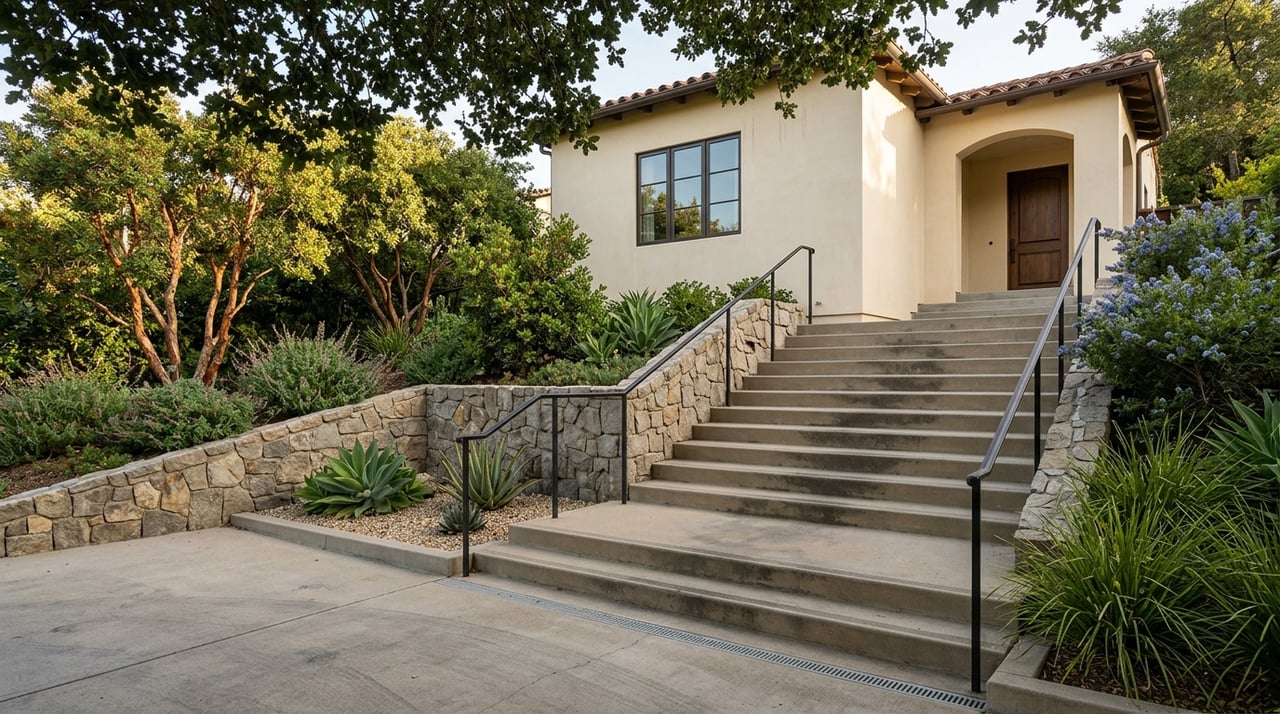
City historic-context materials explain that hillside homes often follow the grade of the lot, with living spaces frequently placed on upper levels to take advantage of views. For you, that may translate into split-level layouts, uphill entries, and more stairs than you would likely find in a flatter neighborhood.
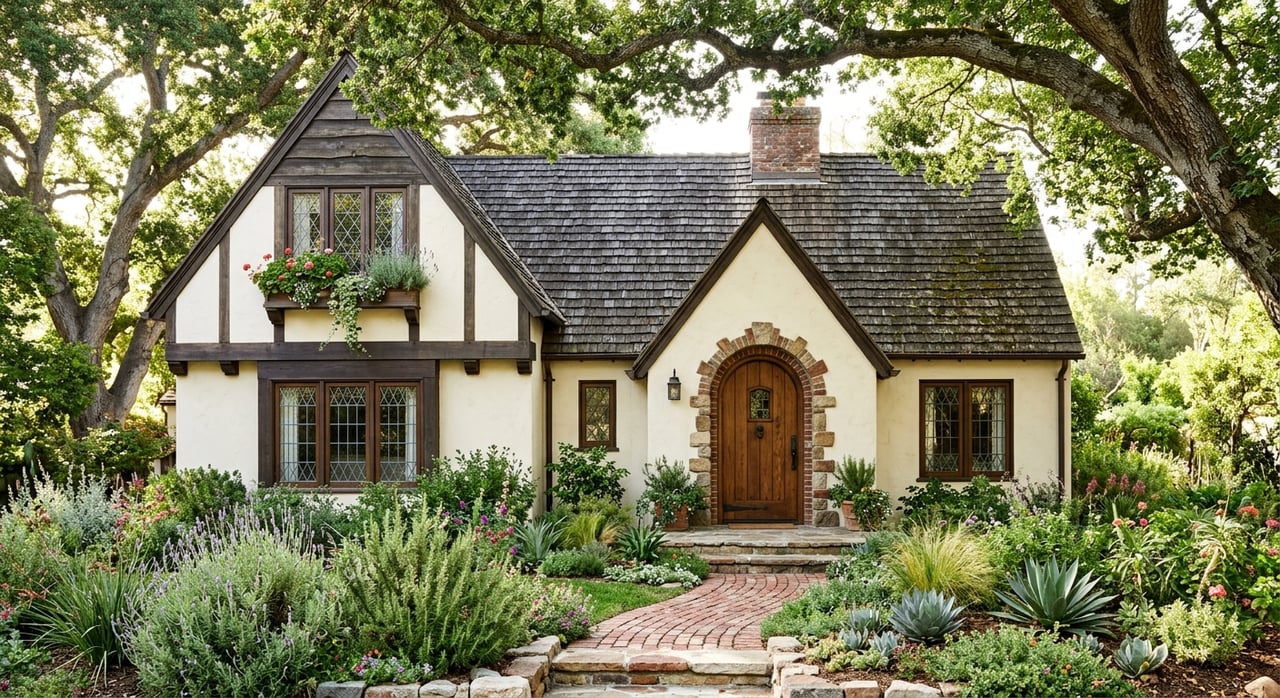
Architecture You Will Notice
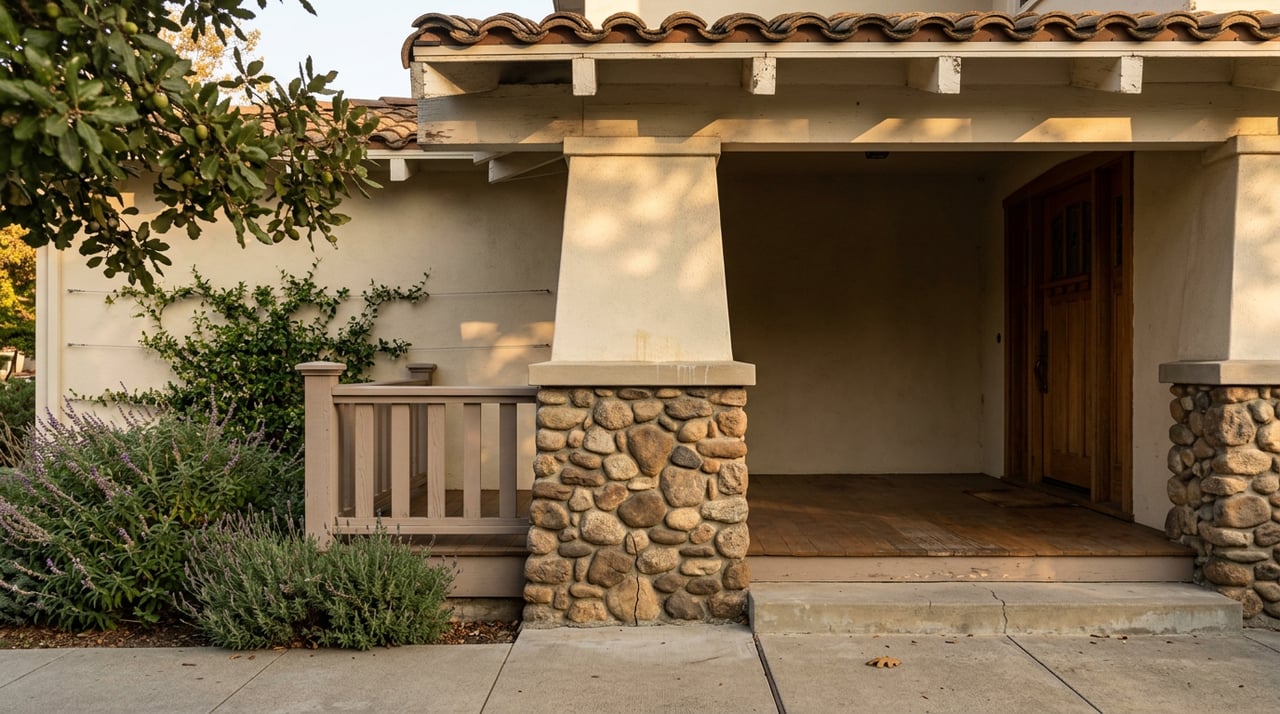
Northeast Los Angeles has a long history of single-family housing, and city planning materials point to a range of architectural styles tied to that history. Earlier Victorian homes were followed by Craftsman, Colonial Revival bungalows, Spanish Colonial Revival, Streamline Moderne, and Modernist designs.
Many homes in Mount Washington reflect those later styles. If you are drawn to design, character, and homes that feel distinct from one another, that architectural variety is part of what makes the area memorable.
Everyday Access and Stairs
One of the most important practical questions is simple: how easy is it to get from your car to your front door? In a hillside neighborhood, that answer can vary a lot from property to property.
Daily routines often involve more vertical movement than buyers expect. Carrying groceries, bringing in packages, or helping guests navigate steps may become part of normal life, especially on steeper lots or homes with elevated entries.
That does not mean every home is difficult to access. It does mean you will want to look closely at the specific path from street to house, the number of stairs, and how the floor plan works for your day-to-day needs.
Parking and Street Realities
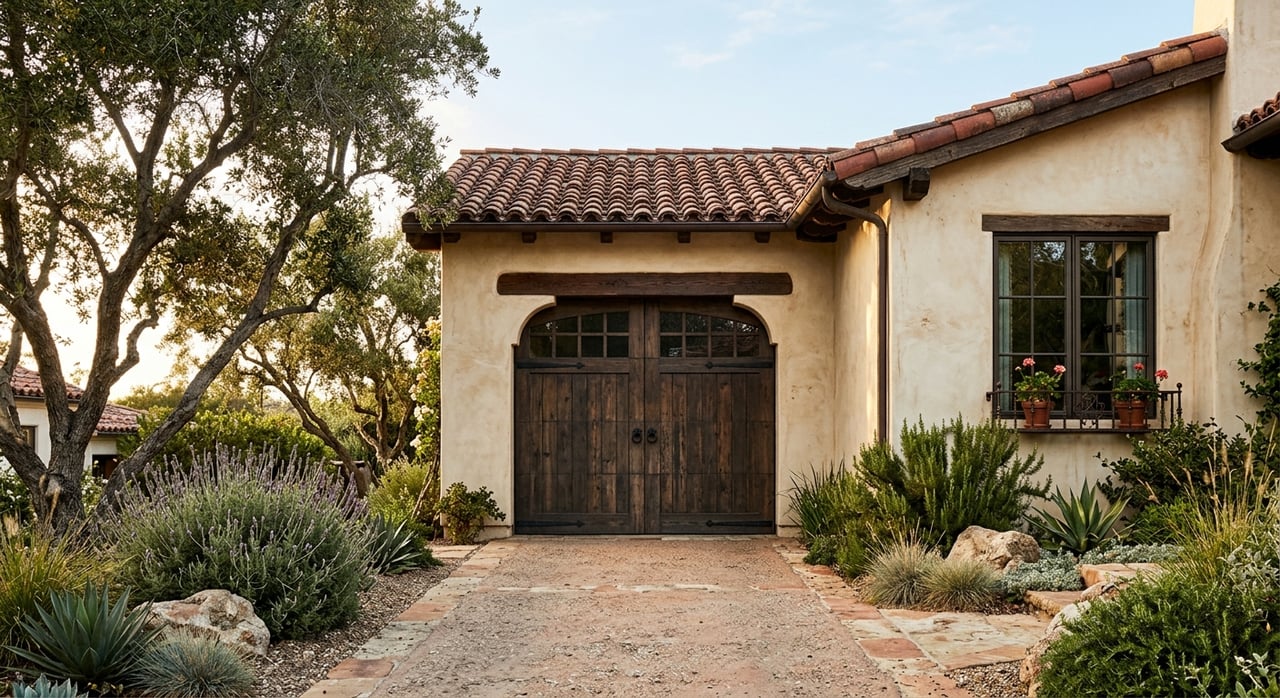
Parking is not a minor detail in Mount Washington. According to the City’s Mount Washington/Glassell Park Specific Plan, many public streets in the area are narrow or do not meet current city design standards, which affects safety, vehicular access, circulation, and the availability of off-street parking.
In real life, that can mean your experience depends heavily on the individual block and property. A home with functional off-street parking may feel very different from one where parking is more limited or guest access is less convenient.
If you are comparing homes, pay attention to:
- Whether the property has off-street parking
- How easy it is to turn in and out from the street
- Where guests are likely to park
- How comfortable the street feels for regular daily use
Views Come With Tradeoffs
The views are a major reason buyers fall for Mount Washington. Scenic routes in the neighborhood are officially recognized for their outlooks toward the city, surrounding mountains, and canyon vegetation.
But those views often come with the same hillside conditions that create them. A dramatic siting may also mean more stairs, more elevation change, and less of the simple curbside ease you might find elsewhere.
For many buyers, that tradeoff is worth it. The key is knowing your own priorities before you fall in love with the scenery.
Microclimates Can Shift Block by Block
Mount Washington’s hill-and-canyon setting can make weather feel surprisingly local. UCLA climate research notes that Los Angeles has complex topography-based microclimates, and in a neighborhood like this, slope, shade, wind, and nighttime cooling can vary noticeably from one block to another.
That can shape how a home feels throughout the day. One property may get strong afternoon sun, while another just a short distance away may feel cooler or shadier because of its orientation and terrain.
When touring homes, it helps to notice:
- Sun exposure at different times of day
- Shade from hillsides or mature trees
- Wind patterns on decks or outdoor areas
- How indoor and outdoor spaces feel in the late afternoon or evening
Transit and Getting Around
Mount Washington is more bus-connected than rail-first. Metro Route 81 serves Mt. Washington and connects through Eagle Rock, Highland Park, Cypress Park, Downtown Los Angeles, and toward A Line stations at Southwest Museum and Heritage Square.
That matters if you want transportation options beyond driving. It may not feel like a neighborhood built around rail access, but there are still meaningful transit connections depending on your commute and routines.
Fire Readiness Is Part of Ownership
Hillside living in Los Angeles also means paying attention to wildfire readiness. The Los Angeles Fire Department states that hillside communities are under continuous threat of wildfire and directs residents to Red Flag, evacuation, and brush-clearance resources.
The department also notes that Mount Washington was added to the brush-clearance inspection program in 1986. For homeowners, that means vegetation maintenance and fire preparedness are not occasional concerns. They are part of the ongoing ownership experience.
Open Space Is a Real Lifestyle Perk
One of Mount Washington’s strongest lifestyle advantages is its connection to open space. The area’s hillside identity is not just visual. It is supported by nearby parks, canyon landscapes, and official hiking destinations.
Ernest E. Debs Regional Park is a standout example. City park materials list it as a 318.6-acre regional park with about 51% tree canopy, along with amenities that include an Audubon center, picnic shelters, playgrounds, fields, and restrooms.
Elyria Canyon also reinforces the area’s canyon character, with city park documentation describing park expansion and direct access through walnut woodlands. If outdoor access matters to you, that nearby open-space network is a meaningful part of daily life here.
Culture Near the Hillsides
Mount Washington also benefits from being close to cultural anchors in Northeast Los Angeles. Nearby institutions include the historic Southwest Museum Campus, which the Autry used for a 2024 Native Voices production, and Heritage Square Museum, a living-history museum focused on Southern California’s first 100 years of statehood.
That blend of open space and cultural depth gives the area a distinctive feel. You get a hillside residential environment while staying connected to broader Northeast LA experiences.
Who Mount Washington Fits Best
Mount Washington tends to suit buyers who value views, architectural character, open space, and a more tactile relationship with the land. If you like homes that feel site-specific and do not mind a little extra effort in exchange for setting and character, the neighborhood can be a strong match.
It may be less comfortable if you need step-free daily access, flat lots, or easy curbside parking. Neither preference is right or wrong. It is simply about matching the home to the way you live.
What to Look for When Touring Homes
If you are seriously considering Mount Washington, it helps to evaluate each property through a practical lifestyle lens. A beautiful house can feel very different once you think through the daily routine.
Here are a few smart questions to keep in mind:
- How many steps are there from the street or garage to the main living areas?
- Is parking easy for both you and your guests?
- How does the home’s orientation affect light, shade, and outdoor comfort?
- Does the layout make sense for your long-term needs?
- Are you comfortable with the maintenance and fire-readiness responsibilities that often come with hillside living?
A thoughtful home search in Mount Washington is less about checking generic boxes and more about understanding how a specific property supports your real life.
If you are exploring Mount Washington and want clear, grounded guidance on how a home will actually live day to day, Nichole Dunville can help you evaluate the details with care and confidence.
FAQs
What is everyday access like in Mount Washington hillside homes?
- Everyday access in Mount Washington can involve more stairs, uphill entries, and elevation changes than homes in flatter neighborhoods, so it is important to evaluate the path from the street to the front door.
What should buyers know about parking in Mount Washington?
- City planning materials note that many streets are narrow or below current design standards, which can affect safety, circulation, vehicular access, and off-street parking availability.
What types of homes are common in Mount Washington?
- City historic-context materials for Northeast Los Angeles identify styles such as Craftsman, Colonial Revival, Spanish Colonial Revival, Streamline Moderne, and Modernist homes, with many later-style examples found in Mount Washington.
Is Mount Washington a good fit for buyers who want outdoor access?
- Mount Washington offers strong access to open space, with nearby destinations including Ernest E. Debs Regional Park and canyon-related park areas that support hiking and outdoor recreation.
What ongoing responsibilities come with owning a Mount Washington hillside home?
- Homeowners should expect fire readiness and vegetation maintenance to be part of ownership, since the Los Angeles Fire Department identifies hillside communities as being under continuous wildfire threat and includes Mount Washington in its brush-clearance program.
Does Mount Washington have public transit connections?
- Yes. Metro Route 81 serves Mt. Washington and connects the area with Eagle Rock, Highland Park, Cypress Park, Downtown Los Angeles, and A Line station connections near Southwest Museum and Heritage Square.