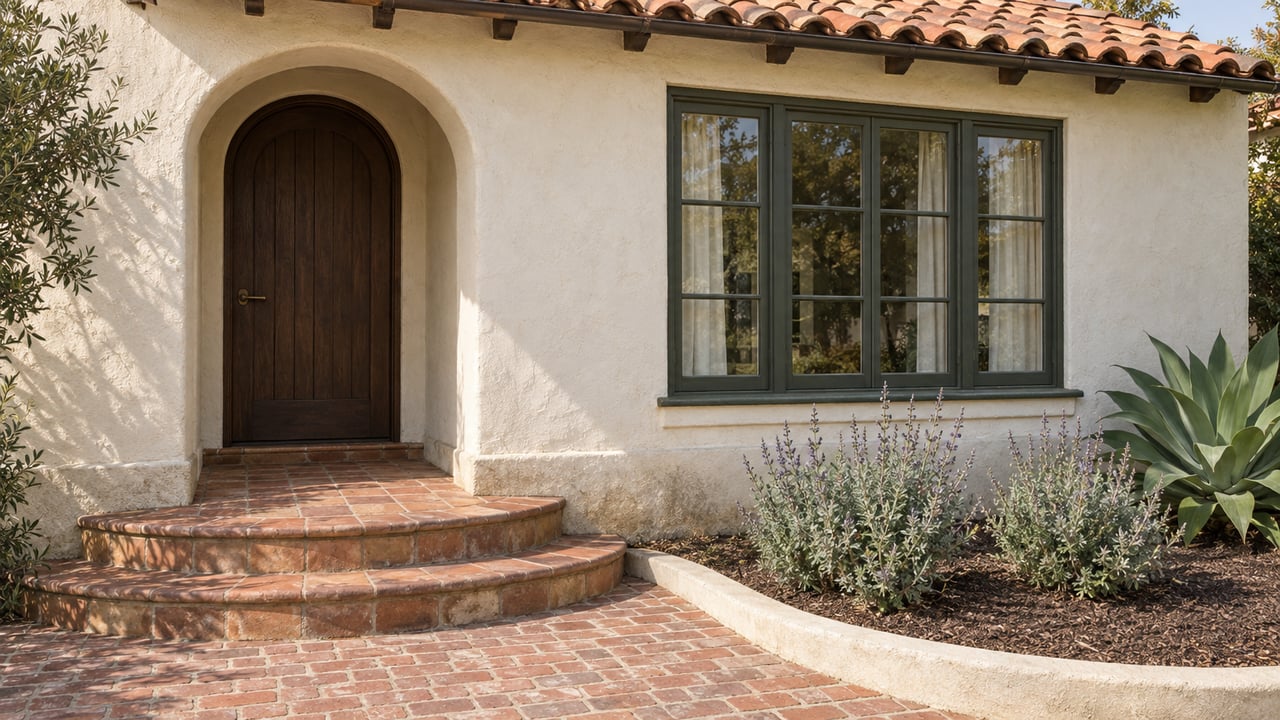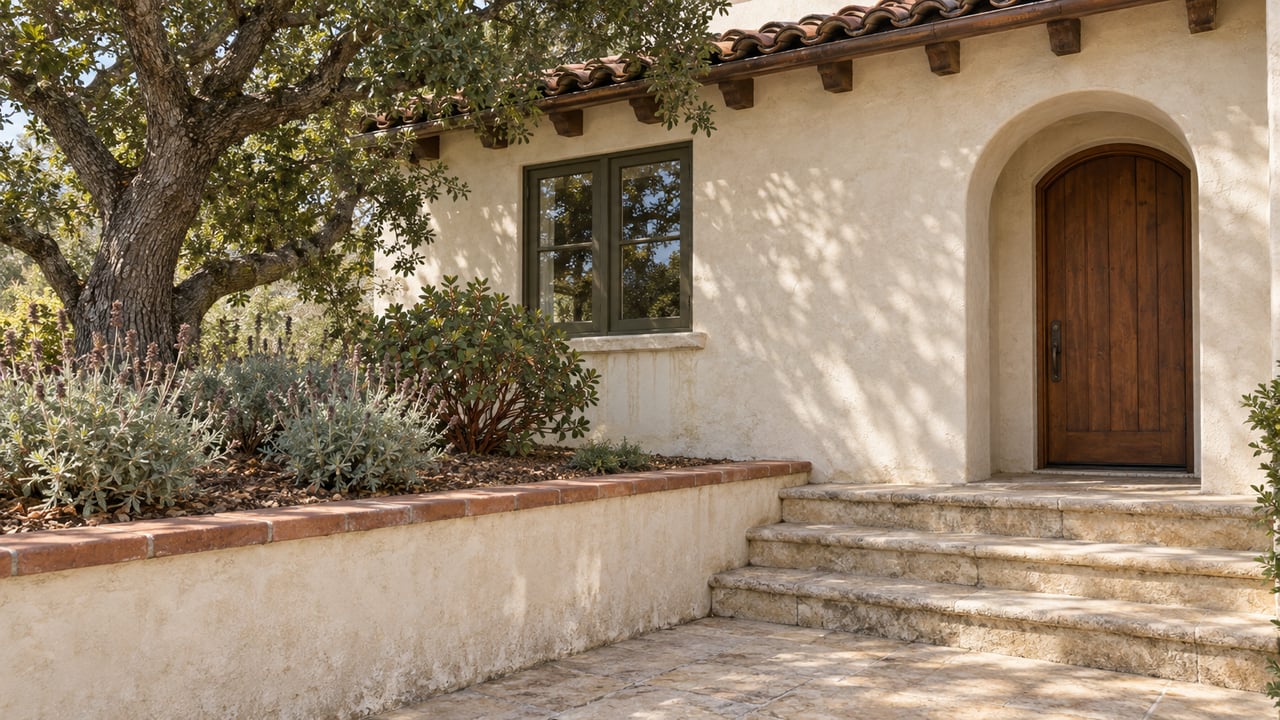
Page ten of the City of San Marino's compliance packet is a short inspection report. It has a blank for the "Number of unobstructed enclosed garage spaces," a line for kitchens in the main residence, and a second line for kitchens in "Other structures." Below that are rows for up to eight bedrooms, each with its approximate size and its number of windows.
An inspector from a city-approved list fills in that form before almost any San Marino home is sold. The form is short on purpose. It looks for the changes a house picks up over forty years of family life: a garage that became a studio, a kitchenette in the pool house, a den that turned into a bedroom. In a sale, a violation found on that form stays with the property. It moves to the next owner along with the deed, and the correction deadline moves with it.
What the Inspector Is Allowed to Look For
The Residential Compliance Certificate comes from Article 24.02 of the city code. The code limits the inspection to three questions.
- Has the garage been converted to something other than vehicle storage without other legal garage space?
- Does the home have more kitchens or bedrooms than the code permits?
- Are there visible violations of the health, plumbing, electrical or building code sections the City Council has listed by resolution?
The second page of the report turns that third question into specifics. It asks for exposed electrical wiring, exposed interior plumbing, sagging roof areas, sagging support beams over room openings, undersized bedrooms, bedrooms without windows, unvented wall heaters, unsafe ingress or egress, and missing or inadequate fencing around pools and spas.
This is a different job from a buyer's home inspection. The city says so on its own list of approved inspectors: it "does not represent that those listed are, or are not, qualified to perform the comprehensive home inspections typically requested by potential buyers." The compliance inspection does not grade roofs or furnaces. It counts rooms and checks how each one is being used.
The Counting Rules Behind the Form
Two sections of the San Marino zoning code explain why that count matters.
In the R-1 zone, Section 23.02.02 allows one single-family dwelling with "not more than one kitchen" on a lot unless a permit for an accessory dwelling unit has been approved. So a second kitchen without an ADU permit counts as an extra kitchen, whether it's in a guest house or a basement.
Garage space is tied to the number of bedrooms. Under Section 23.02.23, new residential construction needs an enclosed garage on the same lot, sized this way:
| Bedrooms | Enclosed garage spaces required |
|---|---|
| 1 to 4 | 2 |
| 5 or 6 | 3 |
| 7 or more | 4, plus 1 for every 2 additional bedrooms |
Adding a bedroom, or enlarging an existing bedroom's gross floor area by more than 25 percent, brings the garage requirement into play for an existing home too. A fifth bedroom added without a permit years ago can therefore raise two questions on the inspection form: the bedroom count and the garage count.
A Six-Month Clock That Outlasts the Sale
Once the inspection report is filed, the Community Development Director decides which items are violations and sends the owner the required corrections in writing. The owner then has six months to make them, and the city may extend that deadline for good cause. Before starting the work, the owner must pull any necessary permits and pay any fines the code requires.
Most sales close well inside six months. In September 2026, the median time on market for existing single-family homes in Los Angeles County was 30 days, according to the California Association of Realtors. That is a countywide figure, not a San Marino one, but it shows the timing problem. A violation letter that arrives partway through a listing usually has more time left on it than the sale does.
The ordinance anticipates this. If the property sells before the corrections are made and the certificate is issued, the seller and the seller's agent must give the buyer a copy of the notice of violations before the sale. The new owner then has to complete the corrections within the required time. In practice, an open violation becomes part of the deal. It shows up in the price, the credits, or the decision about who handles the permit work before or after closing.
If an owner sells without filing, the city notifies the new owner, who then has 30 days to apply. If the new owner doesn't act, the city can get an inspection warrant under the California Code of Civil Procedure and do the inspection itself. The code also makes violating the article a misdemeanor unless the city prosecutor treats it as an infraction.
The Steps and Fees in Effect Now
San Marino's FY 2026–27 fee schedule took effect July 28, 2026, and the compliance packet is dated to match. The process runs in this order:
- The owner files the application and pays an $88 processing fee. The city asks for 10 business days to review it and respond.
- An inspector from the city's approved list inspects the property. The inspector's fee is between the owner and the inspector.
- Within 30 days of the inspection, the report goes to the city with a plot plan showing every building on the parcel and a north arrow, plus floor plans with approximate room dimensions, all on 11-by-17 sheets.
- The city either issues the certificate or sends a correction letter.
Step three is the one that catches people off guard. The ordinance requires the drawings to be "original drawings and not copies or duplications of any previous plan(s)." The 1950s blueprints in the hall closet won't work. Someone has to measure the house as it stands today, which means the drawings will show any rooms that changed use since those blueprints were made. The same section says the submitted drawings do not become public records.
The filing isn't required before a home goes on the market. The code says an owner doesn't have to apply or order the inspection "prior to offering property for sale." The code leaves the timing to the seller, as long as the filing comes before the sale. If an inspection happens before listing, any correction letter arrives before a buyer is involved.
A Clean Certificate Proves Less Than It Seems
The certificate confirms that this narrow inspection is done. The code says it cannot be used or relied on:
"As evidence or proof that the improvements or any portion thereof comply with any building, safety, zoning or other laws or ordinances."
The same section says the certificate doesn't satisfy a seller's state disclosure obligations under Civil Code section 1102 and following, and it can't be used as a defense if the legality of any construction is later challenged. A certificate is valid for two years from its date or until the property sells, as long as nothing on the property changes. Homes offered for sale within two years of their final inspection are exempt from filing.
A clean certificate can also be voided by a missing signature. The listing agent has to deliver An Informational Guide for Residents of San Marino to the buyer, and both sign a Required Notification Form. That form is due within 45 days after the application is filed. If it isn't filed, any certificate already issued is void.
When the Flag Is a Guest House or a Second Kitchen
If the inspection flags a separate living space, the next question is whether it can become a permitted accessory dwelling unit. San Marino's code gives conforming ADU applications ministerial approval within 60 days of a complete application. Garage parking removed to create a legal ADU doesn't have to be replaced while the ADU stays in use.
State law covers older units. AB 2533, which took effect January 1, 2025, bars local agencies from denying a permit for a qualifying unpermitted ADU or JADU built before January 1, 2020 solely because it violates building standards or ADU rules. The exception is a correction needed to meet substandard-building conditions. The state housing department's March 2026 ADU handbook confirms the protection is still in force and notes that the provision is now numbered Government Code section 66311.7.
The handbook also defines an ADU as an independent dwelling with permanent provisions for living, sleeping, eating, cooking and sanitation. A wet bar with a cooktop at the back of the family room doesn't meet that definition. A guest house with its own bath and kitchen might, but whether it qualifies is a question for the city.
Two More Rules That Come Up in Estate Sales
Estate and trust sales often involve a house full of furnishings and windows that are decades old. San Marino has rules for both.
Under the same R-1 section of the city code, garage and estate sales must be held in the rear yard, with one sign allowed in the front yard. Each dwelling gets one sale per calendar year, lasting no more than two consecutive days, and the owner or legal occupant must register with the city first.
Window replacement follows the city's 2026 window procedures. Every change-out needs Planning approval first and then a building permit, and the city says not to buy or install windows until the permit is issued. Glazed exterior doors are reviewed the same way as windows. Like-for-like replacements using products from the city's pre-approved list may be approved over the counter. Other projects go to administrative review, at $335, or to the Design Review Committee, where fees range from $830 for a minor review to $3,935 for new construction.
A Few Direct Questions
Does the inspection have to happen before the home is listed? No. The code doesn't require the application or the inspection before a property is offered for sale. It has to be filed before the sale itself.
Who pays the inspector? The cost of the inspection is between the property owner and the inspector. The city charges the $88 processing fee.
Does the certificate replace the seller's disclosures? No. The ordinance says the certificate can't be used to meet state disclosure obligations.
What if the house was just built? Homes offered for sale within two years of their final inspection are exempt from filing.
This post is general information, not legal, tax or financial advice. Please confirm how these rules apply to your property with the City of San Marino and the right professional.
If you are preparing a San Marino home for sale, especially a family home or a trust property with decades of history, I'm glad to go through the compliance packet with you before the inspector visits, so there are no surprises once a buyer is involved. Nichole Dunville. Let's Connect.