You can fall in love with an Altadena home in seconds, but buying the right one takes a little more patience. Between historic details, varied lot patterns, foothill terrain, and wildfire-related due diligence, this is a market where surface charm only tells part of the story. If you are drawn to Altadena’s character homes, this guide will help you understand what makes them special, what to study more closely, and how to approach your search with confidence. Let’s dive in.
Why Altadena Feels Different
Altadena has a distinct sense of place that is hard to mistake. As an unincorporated Los Angeles County community beneath the San Gabriel Mountains, it combines established residential streets with direct access to trails, open space, and the Angeles National Forest.
That setting shapes both the lifestyle and the housing stock. Altadena Heritage describes the community as architecturally diverse, with homes ranging from modest Craftsman bungalows to Italianate mansions and Modernist residences. For buyers, that means you are not shopping a one-note tract market. You are comparing homes with different eras, footprints, lot conditions, and levels of originality.
Pricing reflects that complexity too. Public market trackers in spring 2026 showed noticeably different median figures depending on methodology, which is a useful reminder that Altadena values can be highly property-specific. In a market like this, the details of a single house often matter more than broad averages.
What Makes a Home “Character” in Altadena
In Altadena, “character home” usually means more than just age. It often refers to a home with architectural identity, original or thoughtfully preserved details, and a relationship to its site that still feels intentional.
Many buyers are drawn to features that are difficult to recreate today. Think original woodwork, built-ins, porch details, balanced window proportions, and rooflines that still reflect the home’s original design. These are the elements that give older homes warmth and presence.
The surrounding landscape often adds to that appeal. Altadena Heritage notes that big trees, older homes tucked into mature planting, and garden-like settings are part of what gives the area its charm. In practical terms, the lot and outdoor space are often just as important as the square footage inside.
The Main Architectural Styles You May See
Craftsman and bungalow homes
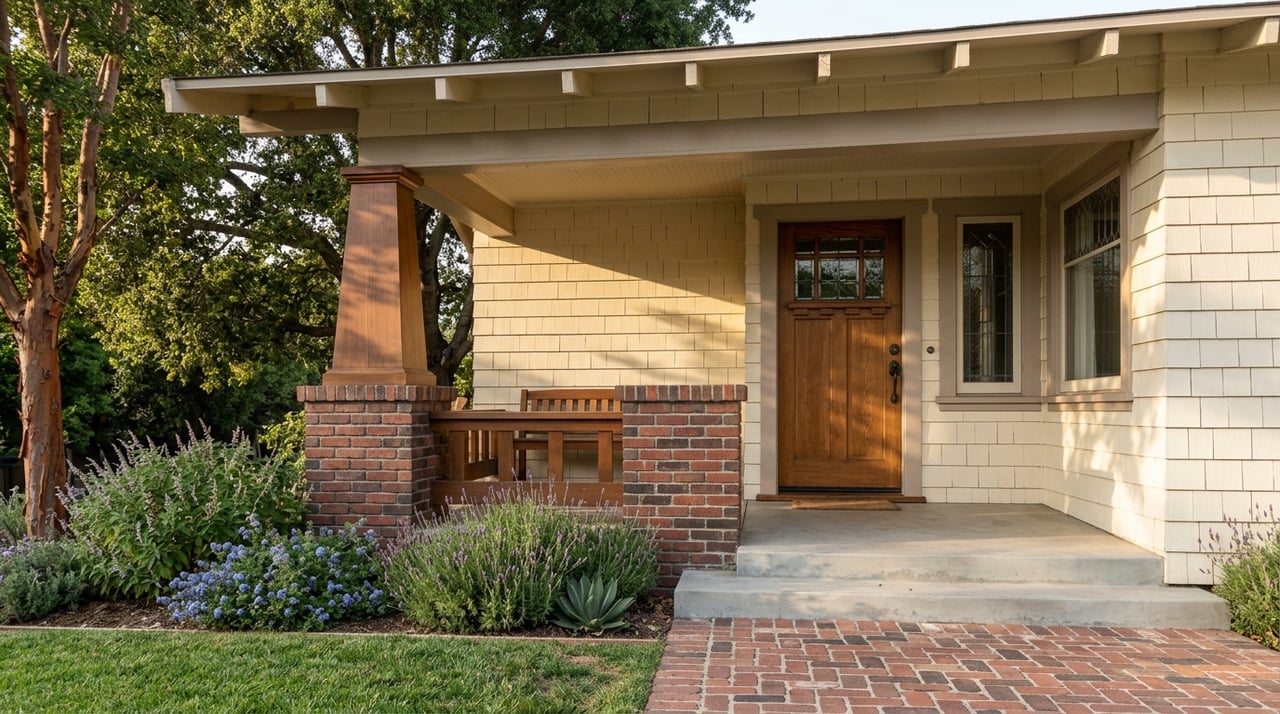
Craftsman and bungalow-era homes are a defining part of California’s early 20th-century housing story, and Altadena has strong examples. These homes are typically one to two stories and often include broad gables, deep porches, open interior flow, and rich wood detailing.
If you love a home that feels handmade and grounded, this style may speak to you. During showings, pay attention to the materials and proportions that make these homes special, especially original millwork, porch columns, siding details, and the way indoor and outdoor spaces connect.
Spanish Colonial and Mission Revival homes
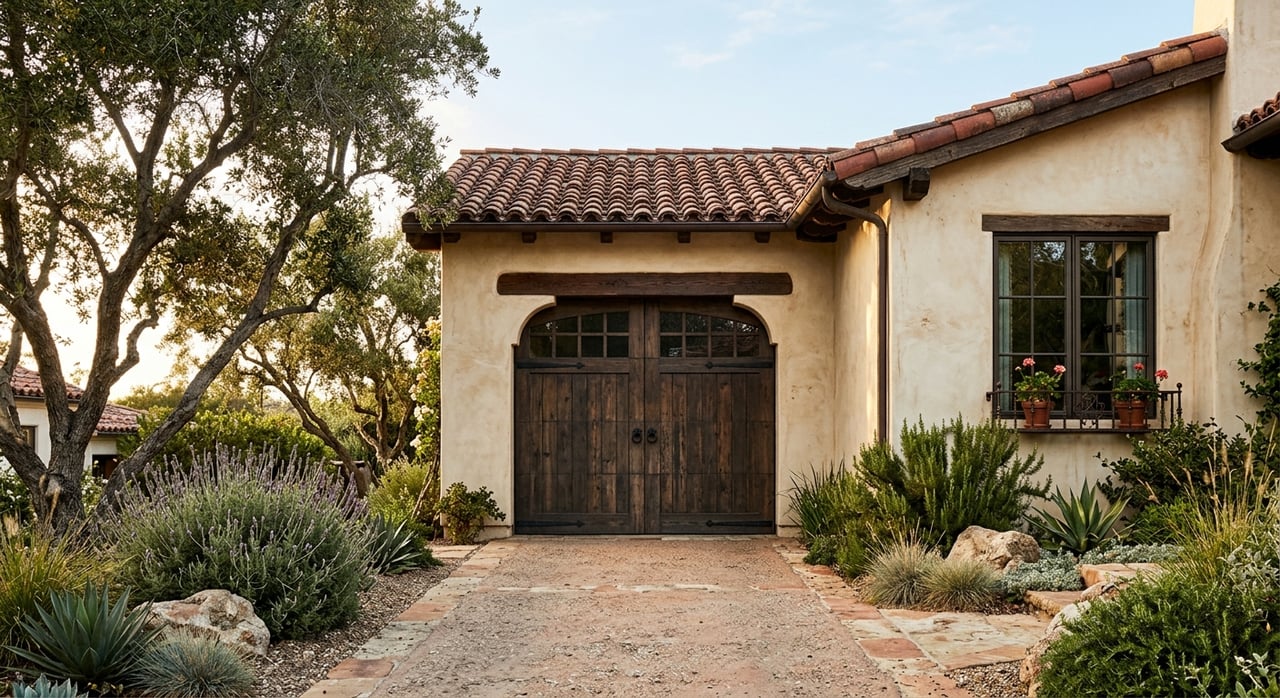
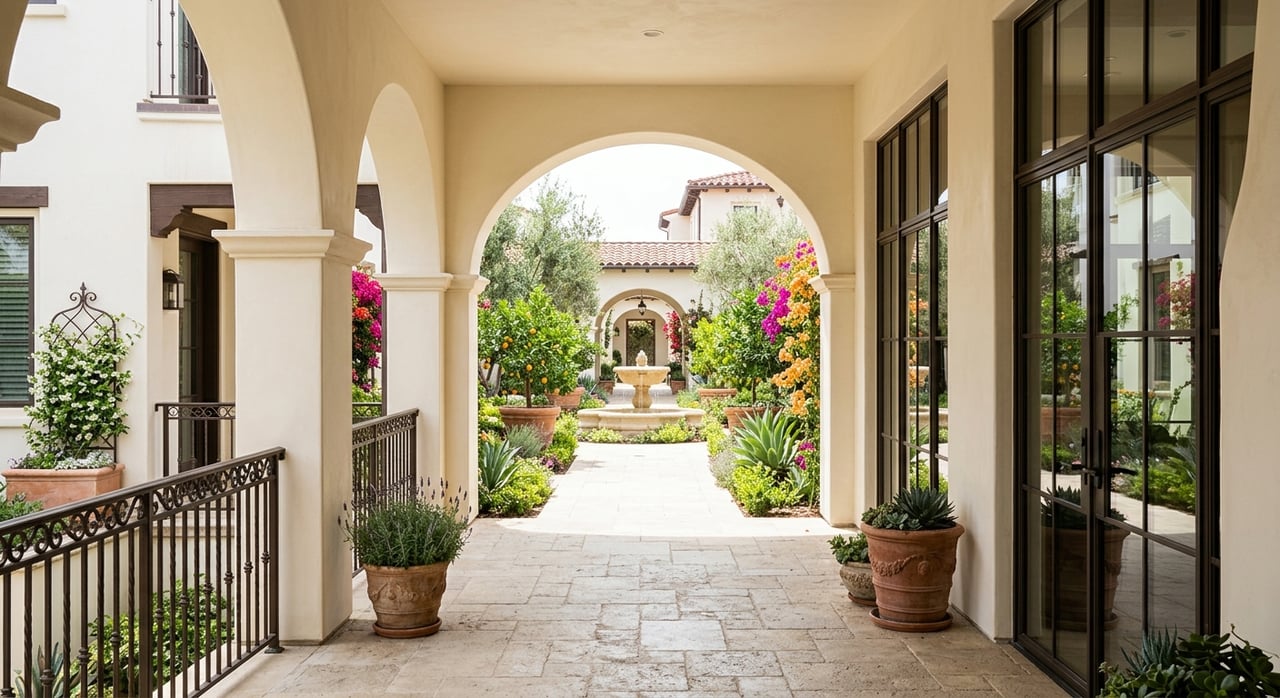
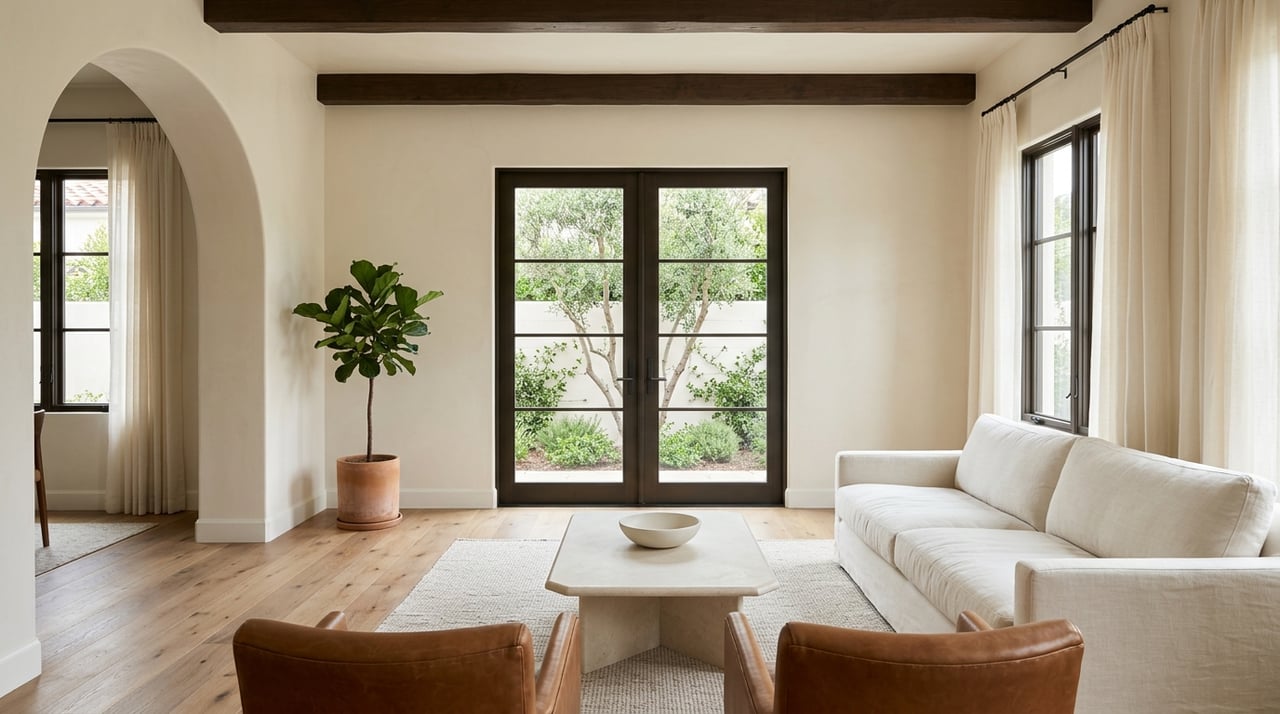
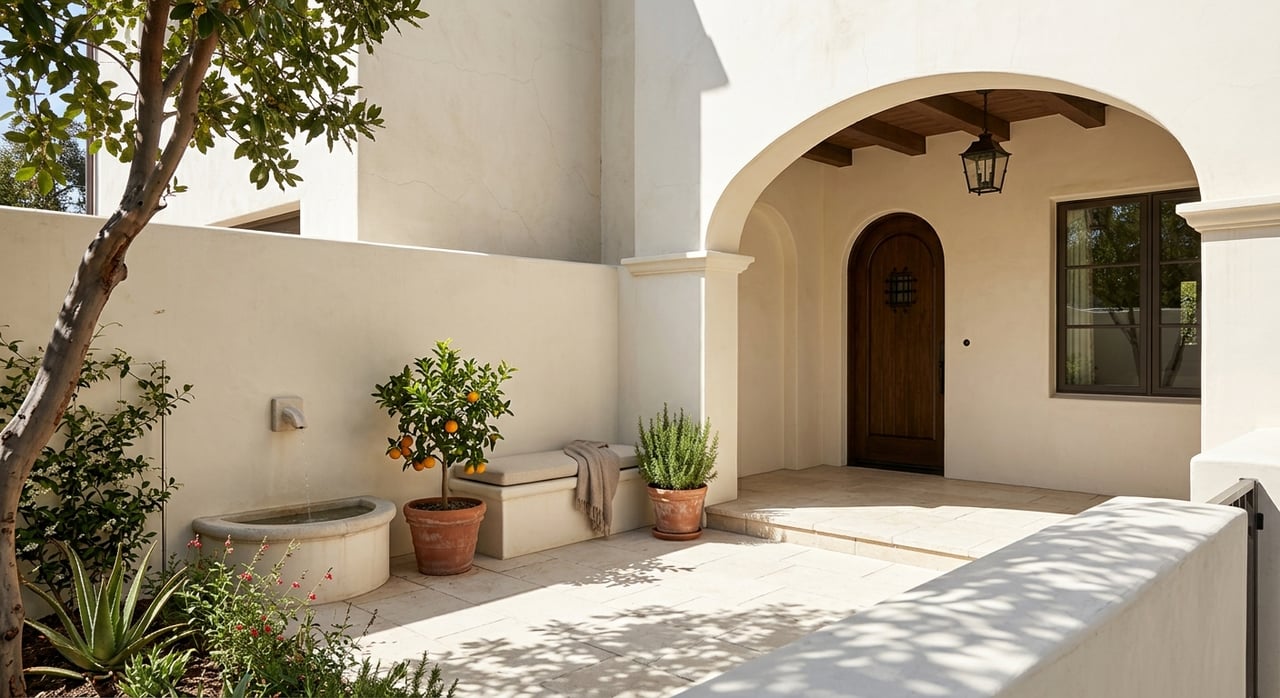
You may also find Spanish Colonial Revival and Mission Revival influences on older Altadena blocks. These homes often feature white stucco, red tile roofs, and rounded arches, and they can sit comfortably beside Tudor and other revival-era designs.
That mix is part of what makes Altadena feel layered rather than uniform. If you are comparing homes across different streets, you may notice that one block feels compact and bungalow-scaled while another has a more formal or estate-like rhythm.
Tudor cottages and revival styles
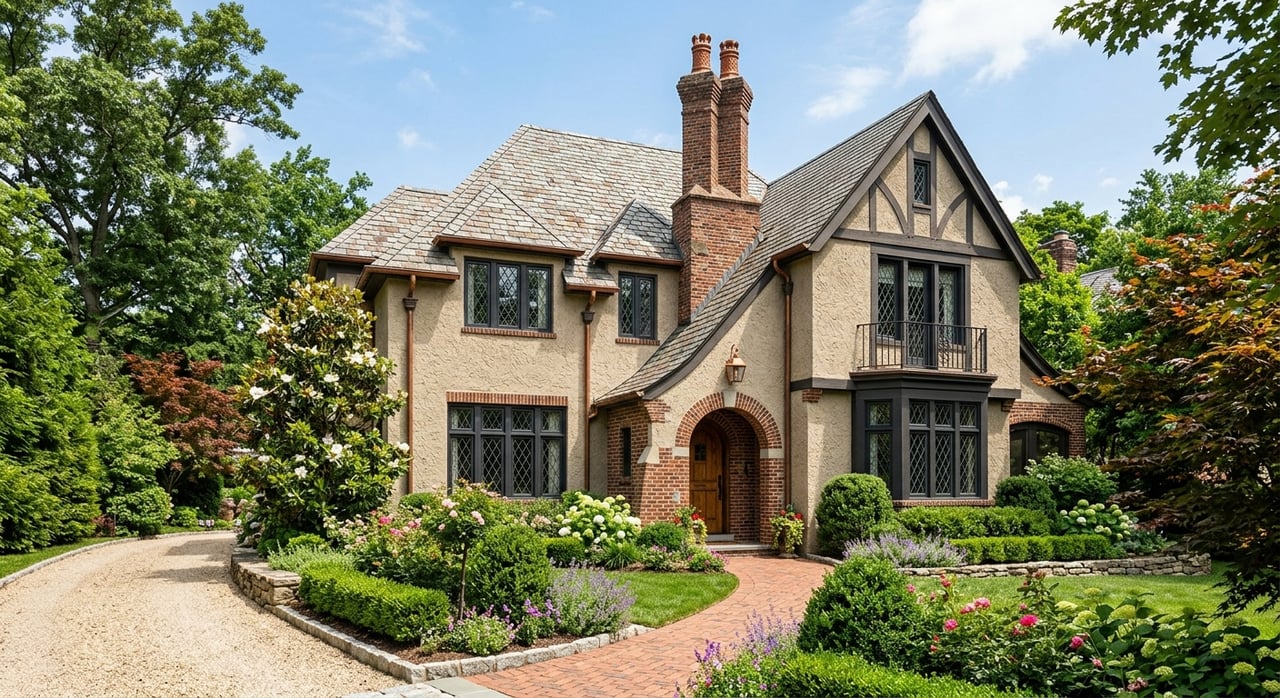
Altadena’s west-side history includes more modest and middle-income building patterns, including clusters of Tudor-style cottages associated with builder Elisha P. Janes. These homes can have a storybook quality, but they also tend to vary in condition and alteration over time.
When touring a Tudor or revival home, look beyond the immediate visual charm. Pay attention to whether later additions respect the original form or interrupt the roofline, front elevation, or yard balance.
Postwar ranch homes
Ranch homes are another important part of Altadena’s housing story, especially in areas built out after World War II. These houses are generally single-story with low-pitched roofs, horizontal lines, and attached garages.
For some buyers, ranch homes offer a simpler layout and a less formal feel. They may not read as “historic” in the same way as a 1910s bungalow, but they are still part of Altadena’s architectural evolution and can offer strong indoor-outdoor flow.
Why the Lot Matters So Much
In Altadena, the house is only half the equation. Lot shape, setbacks, driveway placement, slope, and front yard function can all affect how a property lives now and what may be possible later.
This matters in part because Altadena’s Community Standards District helps preserve block character by regulating things like setbacks and buildable area. County guidance for fire-disaster rebuilds in R-1 also notes a 20-foot minimum front setback in the Altadena CSD unless a qualifying like-for-like nonconforming setback is retained.
For you as a buyer, that means it is worth studying where the house sits on the parcel. A beautiful home with awkward parking, limited rear yard utility, or an addition that overwhelms the original footprint may feel very different once you live in it.
How to Read the Street and Setting
Older flat streets
On flatter, older bungalow streets, lots may feel more compact and neighborhood-scaled. These areas often have a cohesive rhythm, with homes sitting in a way that creates a strong street presence and usable front porches or gardens.
If you want walkable-feeling residential blocks with a close connection between house and street, this pattern may appeal to you. It can also make changes to setbacks, fences, or parking more noticeable.
Foothill and estate areas
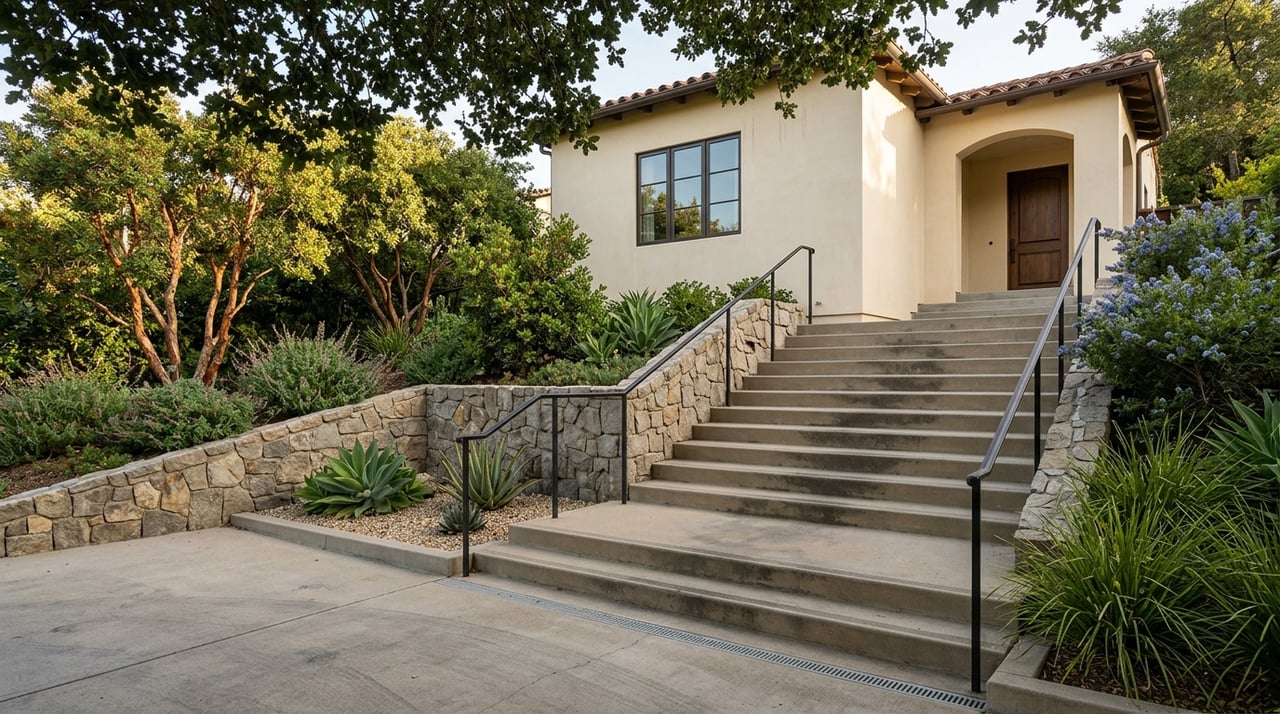
Foothill and estate-area parcels can be larger, more irregular, and more shaped by terrain. In these locations, the mountain-adjacent setting can be beautiful, but it may also bring more complexity around slope, drainage, access, and hazard review.
Los Angeles County notes that north Altadena and the San Gabriel Mountain foothills are affected by Very High Fire Hazard Severity Zones, hillside management areas, significant ecological areas, seismic hazards, restricted road access, and limited infrastructure. That does not make these homes undesirable, but it does mean your due diligence should be more detailed.
What to Look For at a Showing
A thoughtful showing in Altadena goes beyond countertops and paint color. You want to understand what is original, what has changed, and whether those changes improve the home or create new questions.
Here are some smart things to study while touring a character home:
- The placement of the home on the lot
- The function of the driveway, garage, and front yard
- Original features such as woodwork, built-ins, porches, and windows
- Rooflines and massing, especially where additions were made
- The relationship between rooms and outdoor areas
- Fences, walls, landscaping, and parking layout
- Signs of drainage issues, slope movement, or retaining wall stress on hillside sites
It is also wise to ask which alterations were completed with permits. That question becomes especially important if a porch was enclosed, a second story was added, or the garage was significantly changed.
Fire, Terrain, and Resilience Checks
Wildfire readiness is now a core part of buying in this area. California’s Safer from Wildfires guidance points buyers toward features such as a Class A roof, ember-resistant vents, enclosed eaves, noncombustible lower wall materials, multi-paned windows, and a 5-foot ember-resistant zone around the home.
You should also check the parcel’s fire hazard zone status rather than relying on assumptions. CAL FIRE’s maps classify areas as moderate, high, or very high hazard, and the agency notes these are hazard maps based on terrain, fuels, weather, embers, and fire history.
For foothill or rebuilt properties, foundations and soils deserve early attention. Los Angeles County says soils reports may be required in some situations, geologic hazards can trigger Public Works review, and disturbed soil after debris removal may require a compaction report.
Insurance and Permit Questions to Ask Early
Insurance should be part of your early budgeting conversation, not a last-minute surprise. The California Department of Insurance says the FAIR Plan is the insurer of last resort and should be considered only after a diligent search for traditional coverage. It also does not cover every peril found in a standard homeowners policy, so some buyers may need additional coverage to fill gaps.
If a property has fire history, permit records matter even more. Los Angeles County states that debris removal phases must be completed before permits are issued in affected recovery areas, so you should request documentation showing what work was done and whether final County signoff was received.
A simple due-diligence checklist can help you stay organized:
- Confirm fire hazard zone status
- Review permit history for additions or rebuild work
- Ask for debris-removal completion records if relevant
- Evaluate setback, lot coverage, and site layout
- Look closely at drainage, retaining walls, and foundation conditions
- Explore realistic insurance options before removing contingencies
How to Buy Thoughtfully in a Property-Specific Market
Altadena rewards buyers who can balance emotion with discipline. It is easy to focus on a gorgeous porch, mature trees, or a mountain backdrop, but the smartest purchases happen when beauty and fundamentals line up.
That means comparing homes on more than price per square foot. In this market, a well-sited home with preserved original features, coherent updates, strong permit history, and manageable insurance questions may offer better long-term value than a flashier property with unresolved site issues.
It also helps to use local tools when researching a home’s background. Altadena Heritage’s architecture database can be useful for verifying style and understanding whether a pre-World War II property may have architectural significance.
If you are considering a character home in Altadena, it helps to work with someone who appreciates design, understands the local housing layers, and knows where charm should be celebrated and where caution is warranted. If you want a calm, informed approach to your search, Nichole Dunville would be glad to help.
FAQs
What defines a character home in Altadena?
- In Altadena, a character home usually combines architectural identity, original or preserved details, and a site relationship that still feels true to the home’s original design.
What architectural styles are common in Altadena homes?
- Buyers in Altadena often see Craftsman, bungalow, Spanish Colonial Revival, Mission Revival, Tudor cottage, other revival styles, and postwar ranch homes.
What should buyers check during an Altadena character home showing?
- Buyers should look at original features, lot placement, rooflines, additions, parking layout, outdoor flow, permit history, and any signs of drainage, slope, or retaining wall concerns.
Why do lots matter so much when buying in Altadena?
- Altadena lots can vary widely in size, shape, slope, setbacks, and access, and those factors affect daily function, future improvements, and overall property value.
What fire-related due diligence should Altadena buyers do?
- Buyers should verify the parcel’s fire hazard zone status, review wildfire-hardening features, and pay close attention to terrain, access, drainage, and defensible-space considerations.
What insurance questions should buyers ask for an Altadena home?
- Buyers should ask what coverage is currently in place, explore traditional insurance options early, and understand that the California FAIR Plan is a last-resort option that may require separate supplemental coverage.
What records matter for a rebuilt or fire-affected Altadena property?
- Buyers should request permit history, debris-removal completion documents if applicable, and confirmation that required County reviews and final signoffs were completed.