Are you looking for a Los Angeles neighborhood that feels rooted, creative, and a little removed from the city’s flatter, faster rhythms? Eagle Rock often stands out for exactly that reason. If you are drawn to historic bungalows, hillside streets, and a neighborhood pattern that still feels human-scaled, this guide will help you understand what living in Eagle Rock is really like. Let’s take a closer look.
Why Eagle Rock Feels Different
Eagle Rock sits within Northeast Los Angeles, but it has a character that reads differently from many surrounding areas. City planning materials identify it as a pre-consolidation community shaped between 1886 and 1923, before it was annexed to Los Angeles in 1923.
That history still shows up in the neighborhood’s layout and feel. Eagle Rock developed as a streetcar suburb, and its older residential areas, established commercial corridors, and long-standing civic identity continue to shape daily life today.
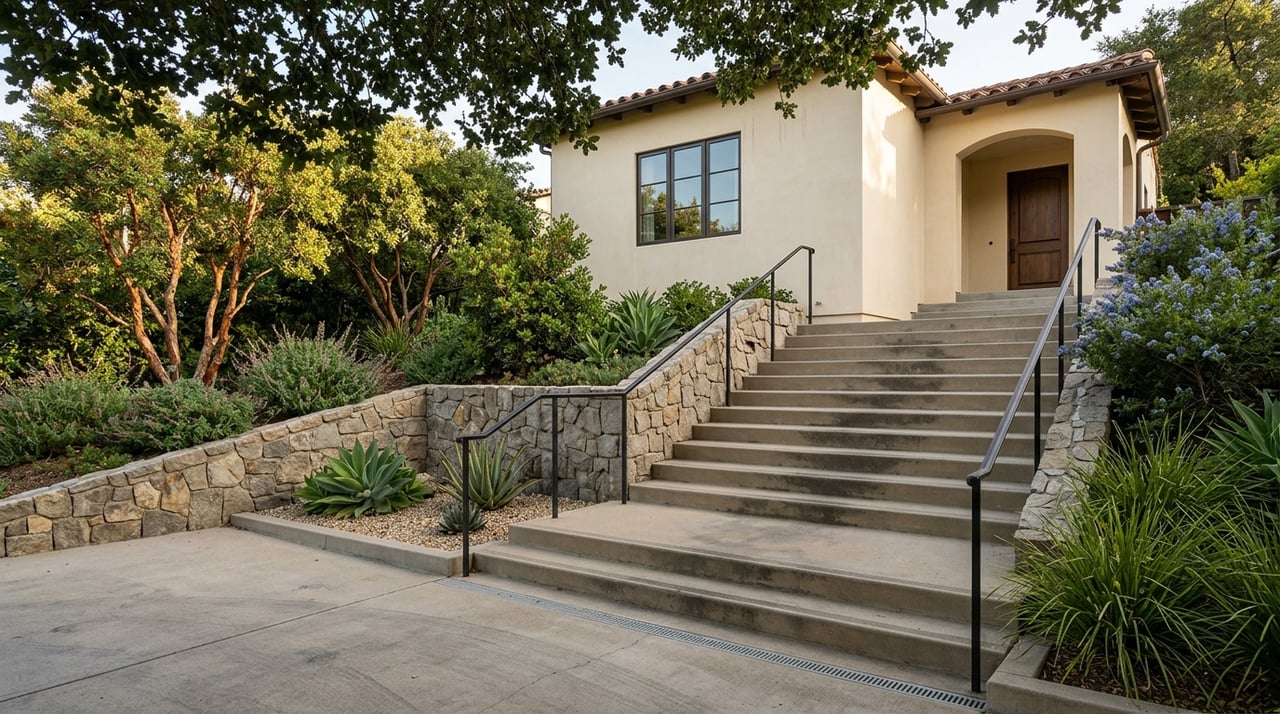
Another big part of the neighborhood’s personality is the land itself. Eagle Rock sits at the southern base of the San Rafael Hills, which gives parts of the area a more elevated, topographically varied feel than many flat-grid sections of Los Angeles.
Historic Homes Shape The Neighborhood
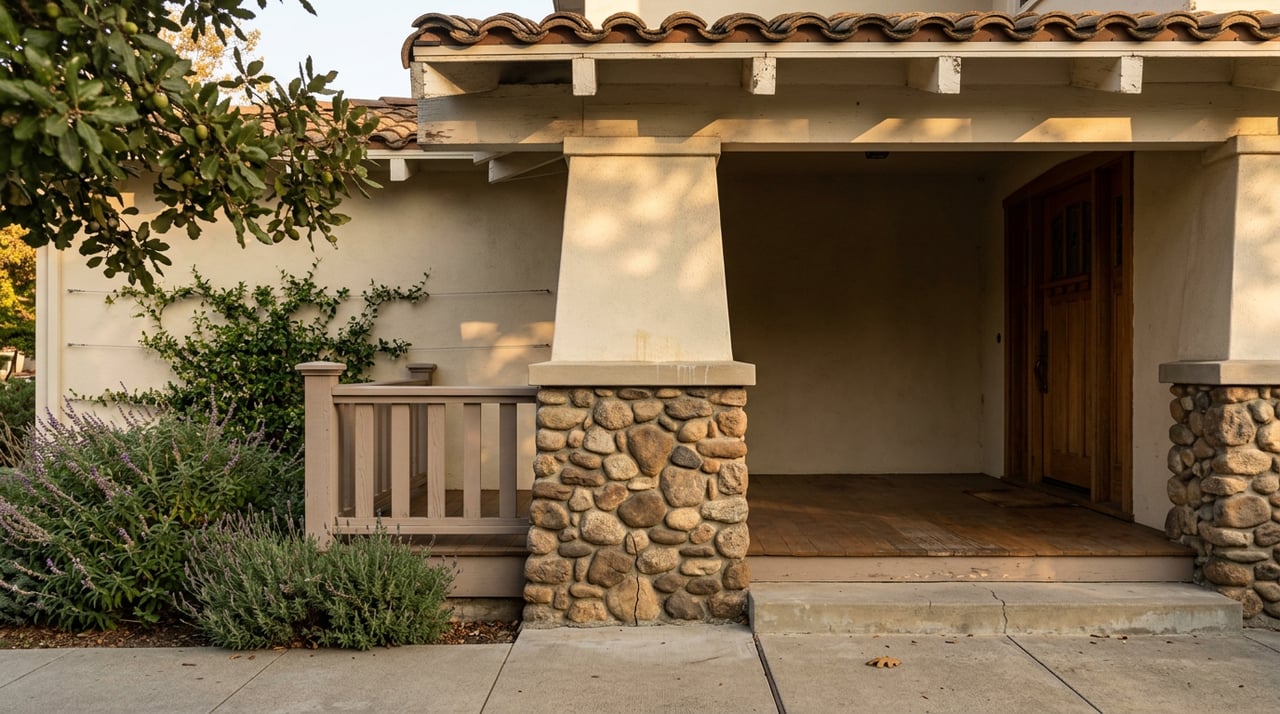
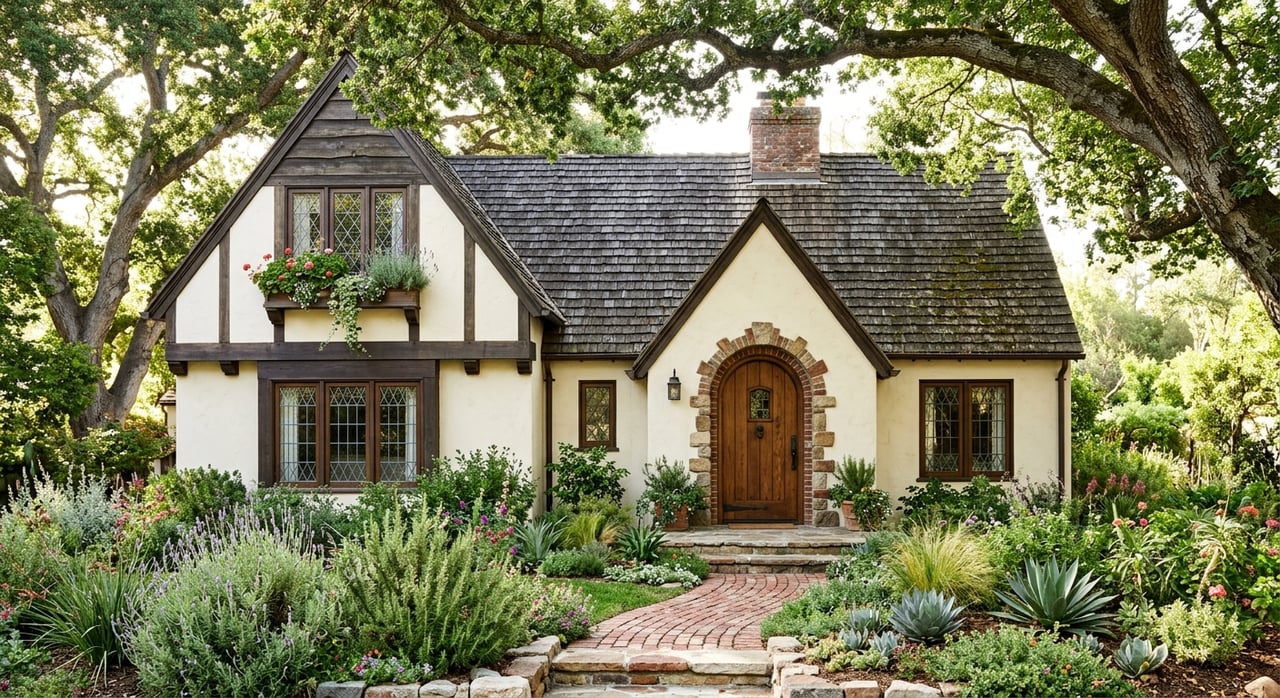
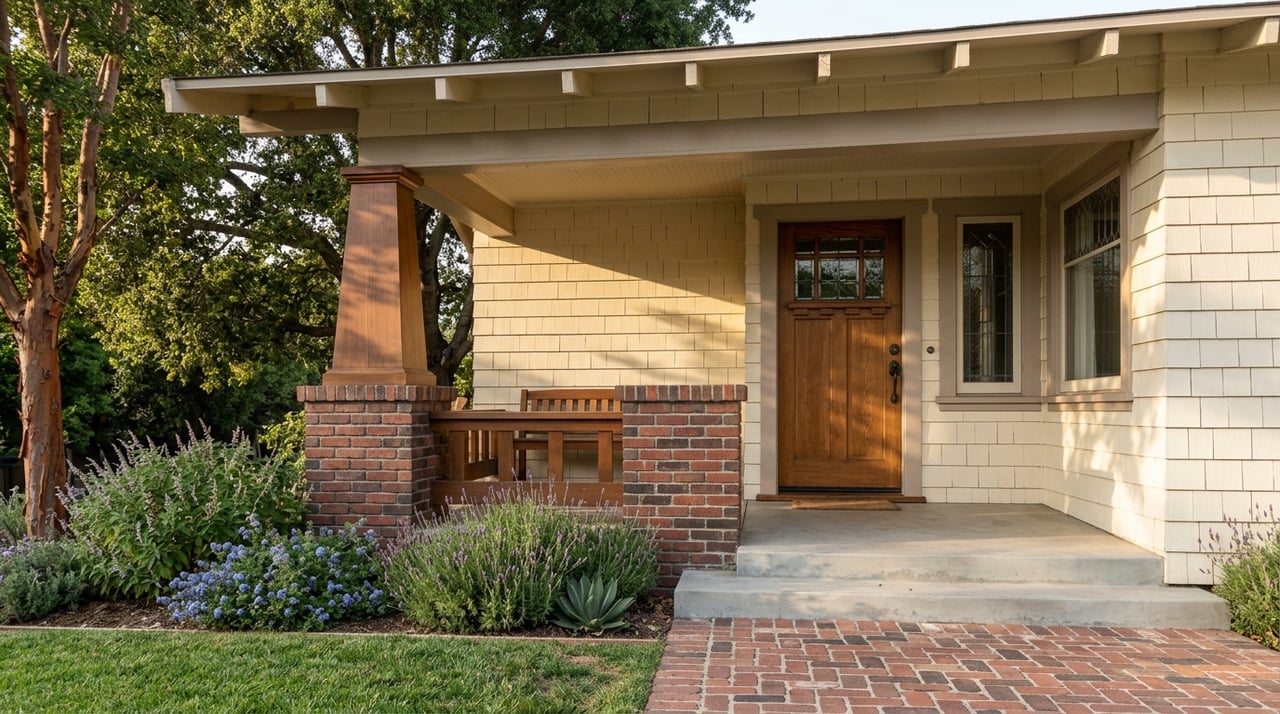
For many buyers, the biggest draw is the housing character. Los Angeles City Planning notes that Eagle Rock preserved blocks of Craftsman houses on higher elevations, along with more modest bungalow areas in flatter sections.
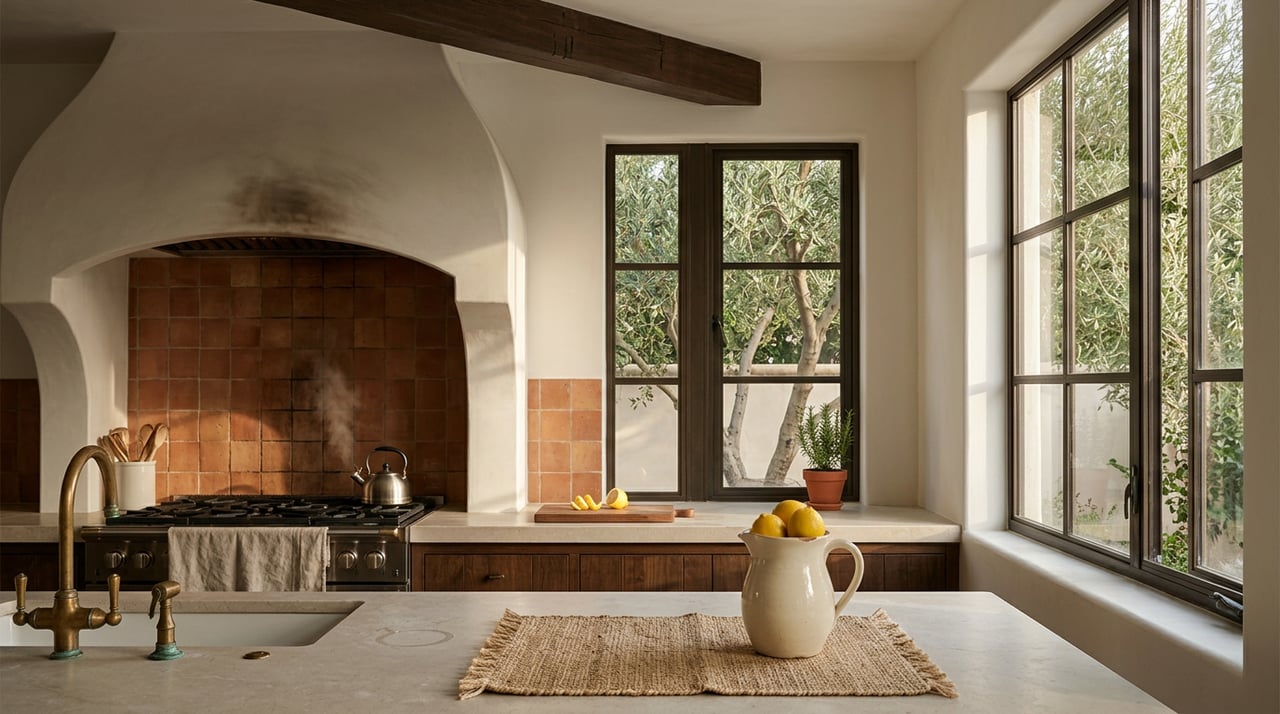
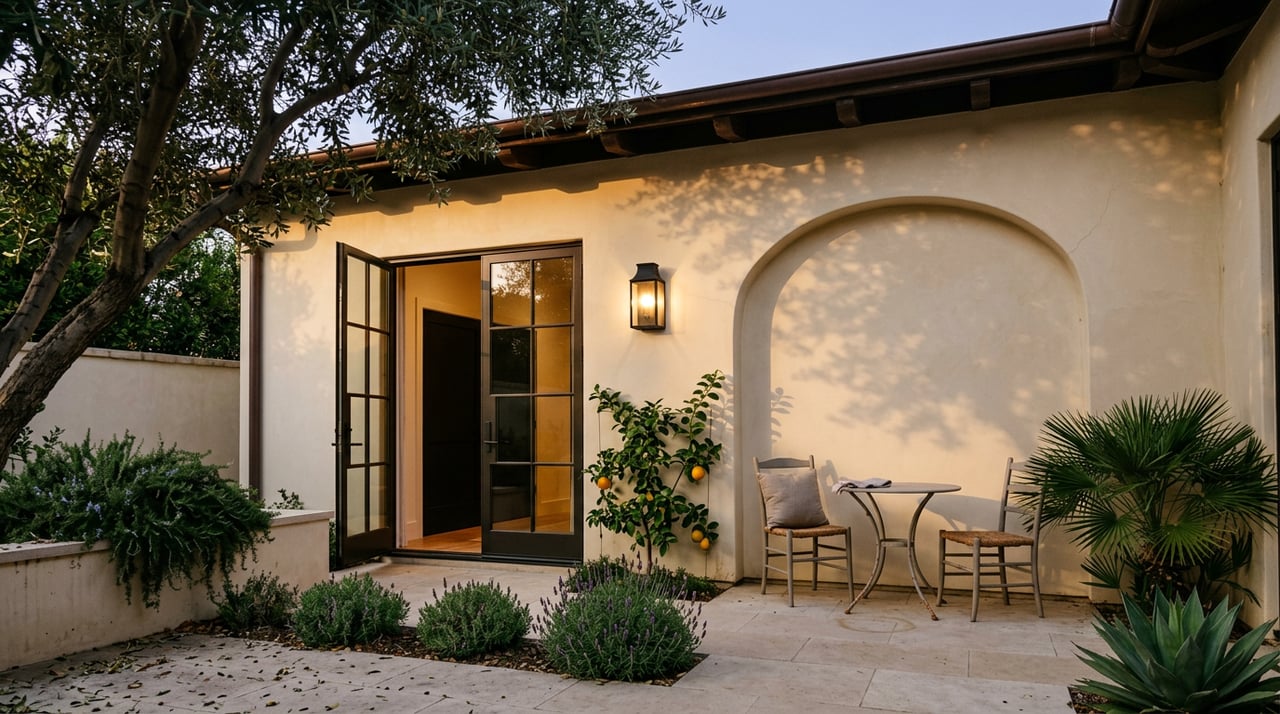
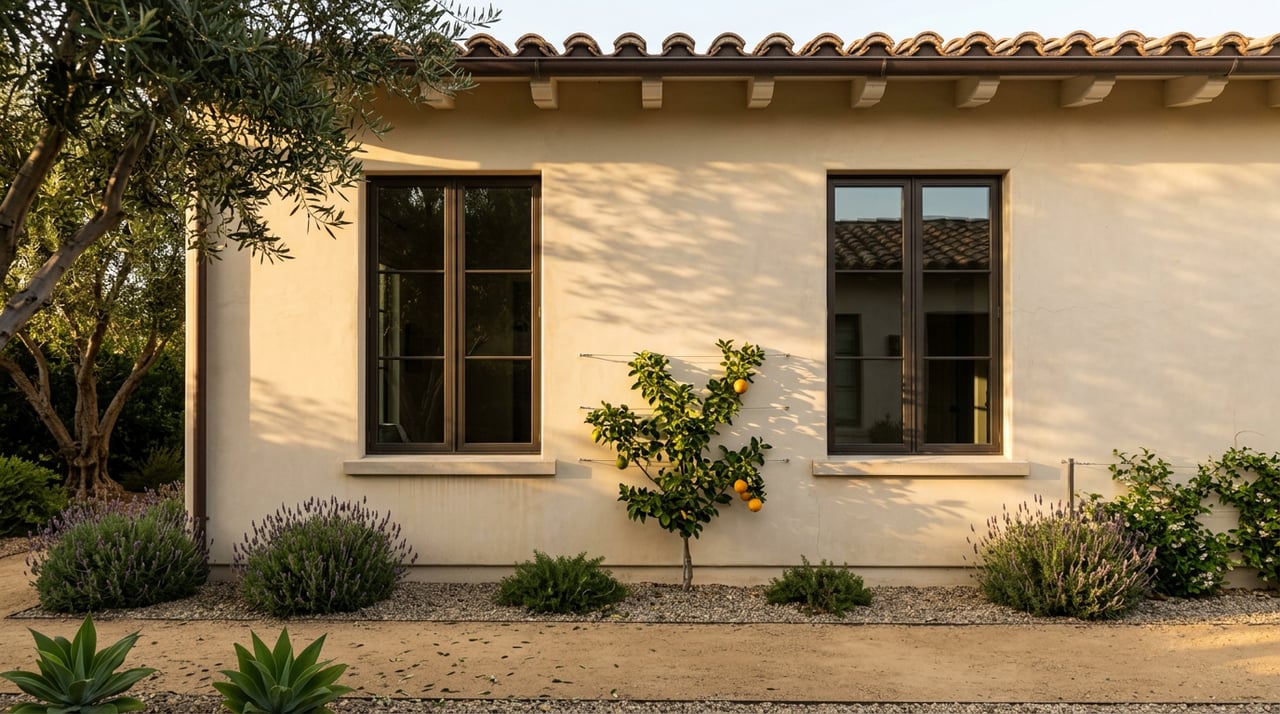
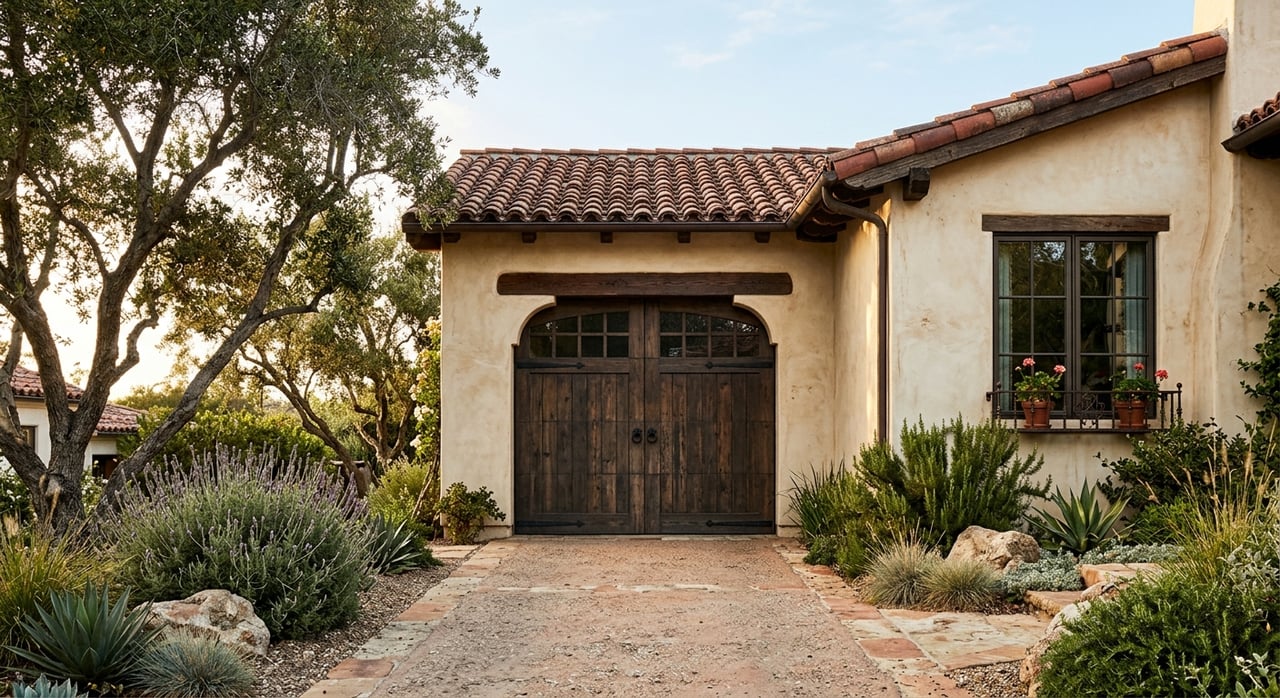
Spanish Colonial Revival homes also filled in many vacant lots in the 1920s, adding another layer to the neighborhood’s visual identity. Instead of feeling uniform, Eagle Rock tends to feel collected over time, with homes that reflect different moments in early 20th-century development.
If you appreciate architecture with detail and individuality, that matters. In Eagle Rock, the housing stock often feels historically grounded and residentially scaled, rather than defined by one dominant newer style.
What You May Notice On A Drive
As you move through the neighborhood, you may notice that the streetscape changes from block to block. Some areas feel more compact and level, while others rise and curve with the terrain.
Planning materials for the area describe mature street trees, landscaped parkways, and scenic roads in parts of Eagle Rock. That combination helps explain why the neighborhood can feel leafy, layered, and view-oriented.
Hill Drive And Hillside Character
One of the clearest examples of Eagle Rock’s setting is the Hill Drive area in northern Eagle Rock. Survey materials describe it as an early-20th-century residential neighborhood with mostly one- and two-story single-family homes.
The district includes a strong concentration of Craftsman homes, along with American Colonial Revival, Spanish Colonial Revival, Tudor Revival, and Minimal Traditional examples. Hill Drive itself is described as a scenic roadway that curves to accommodate the terrain, which reinforces the neighborhood’s hillside identity.
Views, Terrain, And Everyday Experience
If you are wondering whether Eagle Rock feels hilly, the short answer is yes, in many parts. Streets north of Colorado Boulevard climb toward higher elevations and toward the 134 Freeway corridor, which creates a noticeably different experience from flatter neighborhoods.
That topography can shape how a home lives day to day. You may find blocks with a more tucked-away feel, homes positioned to take advantage of elevation, and streets that feel less rigidly patterned than a standard city grid.
The result is not just visual. It can also affect how the neighborhood moves, feels, and opens up around you.
Commercial Corridors Keep Life Convenient
Eagle Rock is primarily residential, but everyday activity is concentrated along a few major corridors. The main streets are Colorado Boulevard, Eagle Rock Boulevard, and York Boulevard.
This pattern gives the neighborhood a practical rhythm. Rather than one dense downtown core, daily life tends to revolve around a handful of walkable or easy-to-reach commercial stretches.
The City of Los Angeles has a Colorado Boulevard Specific Plan in place to help keep future development along the corridor compatible with the surrounding residential community. That planning approach supports the sense that Eagle Rock’s commercial activity remains neighborhood-serving and scaled to its setting.
What Daily Life Can Look Like
Occidental College describes Eagle Rock as blending small-town charm with big-city access. Its neighborhood guide points to artsy coffee shops, classic diners, vintage boutiques, mom-and-pop markets, and a wide range of global cuisine.
That does not mean Eagle Rock feels isolated or sleepy. Instead, it often feels active in a steady, local way, where errands, coffee, meals, and casual outings can all happen within a familiar neighborhood pattern.
Occidental also highlights places like Creature’s Plants and Coffee, Oxy Arts, and Vidiots. Together, those examples show how culture and routine often overlap in Eagle Rock.
Creative Energy Is Part Of The Identity
Eagle Rock’s creative side is not just a vibe. It has real civic anchors that help sustain it.
One of the most important is the Center for the Arts, Eagle Rock. The Los Angeles Department of Cultural Affairs says the center operates year-round in a historic Mediterranean Revival building and offers concerts, readings, film screenings, workshops, art auctions, and the Eagle Rock Music Festival.
That kind of programming gives the neighborhood a cultural dimension that feels established rather than incidental. For residents, it adds another layer to everyday life beyond housing and convenience.
Occidental College Adds Presence
Occidental College is another major part of Eagle Rock’s identity. The college says its 120-acre campus is nestled in the hills of Eagle Rock and was planned in 1911 by architect Myron Hunt.
Its presence helps reinforce the neighborhood’s sense of place. Eagle Rock can feel both residential and intellectually active, with historic buildings, campus energy, and a strong connection between the built environment and local culture.
A Neighborhood With Strong Civic Memory
Eagle Rock also has a visible preservation-minded culture. The Eagle Rock Valley Historical Society centers its work on preserving and clarifying local history and protecting neighborhood landmarks, including the Eagle Rock itself.
For you as a buyer or homeowner, that matters because it helps explain why architecture, landscaping, and older street patterns are such a meaningful part of the neighborhood’s appeal. In places like Eagle Rock, history is not just background. It is part of how the community understands itself.
Who Eagle Rock May Appeal To
Eagle Rock can be a strong fit if you are looking for a neighborhood with character and a sense of continuity. It may especially appeal to buyers who value:
- Early-20th-century homes
- Bungalows and Revival-style architecture
- Hilly streets and elevated settings
- A primarily residential feel
- Commercial corridors that support day-to-day convenience
- Arts and cultural institutions woven into neighborhood life
If your priorities lean toward architectural personality and a neighborhood that feels layered rather than newly built all at once, Eagle Rock offers a compelling mix.
What To Keep In Mind When Exploring Homes
Because Eagle Rock’s housing stock developed over time and across varied terrain, no two blocks feel exactly the same. A home’s setting, elevation, street pattern, and architectural style can all influence how it feels in person.
That is why it helps to look beyond square footage alone. In Eagle Rock, details like siting, street context, and original character can be a big part of what makes one property stand out from another.
If you are planning to buy or sell in a neighborhood like this, local knowledge matters. Character-rich communities often reward a more thoughtful approach to pricing, presentation, and property evaluation.
If you are considering a move in or around Eagle Rock and want guidance that respects both the numbers and the character of the home, Nichole Dunville offers thoughtful, concierge-level support tailored to distinctive residential properties.
FAQs
What types of homes are common in Eagle Rock?
- Eagle Rock is known for early-20th-century single-family homes, especially Craftsman houses, bungalows, and several Revival-era styles, with some later infill.
Does Eagle Rock in Los Angeles feel hilly?
- Yes. City planning materials place much of Eagle Rock at the base of the San Rafael Hills, and many streets rise, curve, or sit at higher elevations.
Is Eagle Rock mostly residential or commercial?
- Eagle Rock is primarily residential, with commercial activity concentrated along Colorado Boulevard, Eagle Rock Boulevard, and York Boulevard.
What makes Eagle Rock different from nearby Northeast Los Angeles neighborhoods?
- Its pre-consolidation history, streetcar-suburb origins, preserved character homes, hillside setting, and established arts institutions give it a distinct identity.
Does Eagle Rock have a strong arts and culture presence?
- Yes. Cultural anchors like the Center for the Arts, Eagle Rock, along with institutions such as Occidental College, contribute to the neighborhood’s creative and civic life.